
London Studio
Archive — Revision 12
Aldovi originated as a private research archive. Its development into a public resource followed five years of systematic documentation across ingredient sourcing, preparation methodology, and nutritional composition analysis.
In 2019, the Aldovi project began as a personal archive of ingredient sourcing records and weekly meal compositions maintained by a qualified nutrition professional operating from London. The initial catalogue contained thirty-two ingredient entries, each with sourcing notes, compositional data drawn from published nutritional databases, and preparation time estimates.
The rationale was straightforward: existing nutrition resources either demanded substantial daily time investment or relied on vague motivational frameworks that lacked procedural specificity. A working professional — whether in finance, law, design, or any other time-intensive field — required something closer to an operational manual than an inspiration source.
Between 2019 and 2023, the archive expanded across nine module categories, incorporated a UK seasonal produce calendar, and was restructured around the batch-cook framework that now forms the core of the Aldovi methodology. The first public version launched in January 2024.
Initial archive established. Thirty-two pantry staple entries with sourcing documentation, compositional reference, and storage parameters. London, private use.
Batch-cook framework formalised across eight module categories. UK seasonal calendar integrated with the recipe composition index. Archive reaches 200 documented entries.
Mediterranean-style composition research incorporated. Label reading framework and fermented food integration modules added. Revision 12 of the methodology document completed.
Public resource launched. Consultation service opened to UK professionals. Ongoing seasonal calendar updates and quarterly ingredient sourcing reviews.
Aldovi does not accept sponsorship or commercial agreements with ingredient brands, retailers, or producers. All sourcing commentary is editorially independent and based on documented compositional and provenance criteria.
Nutrient role descriptions and composition recommendations draw from published nutritional research available in peer-reviewed databases. References are updated as new compositional data becomes available, with revision numbers documented in the methodology archive.
The Aldovi guide addresses everyday food quality, preparation efficiency, and seasonal sourcing. It does not address individual dietary requirements beyond general scope. We recommend speaking with a qualified wellness or nutrition professional before introducing any significant dietary change, particularly if you have specific dietary requirements.
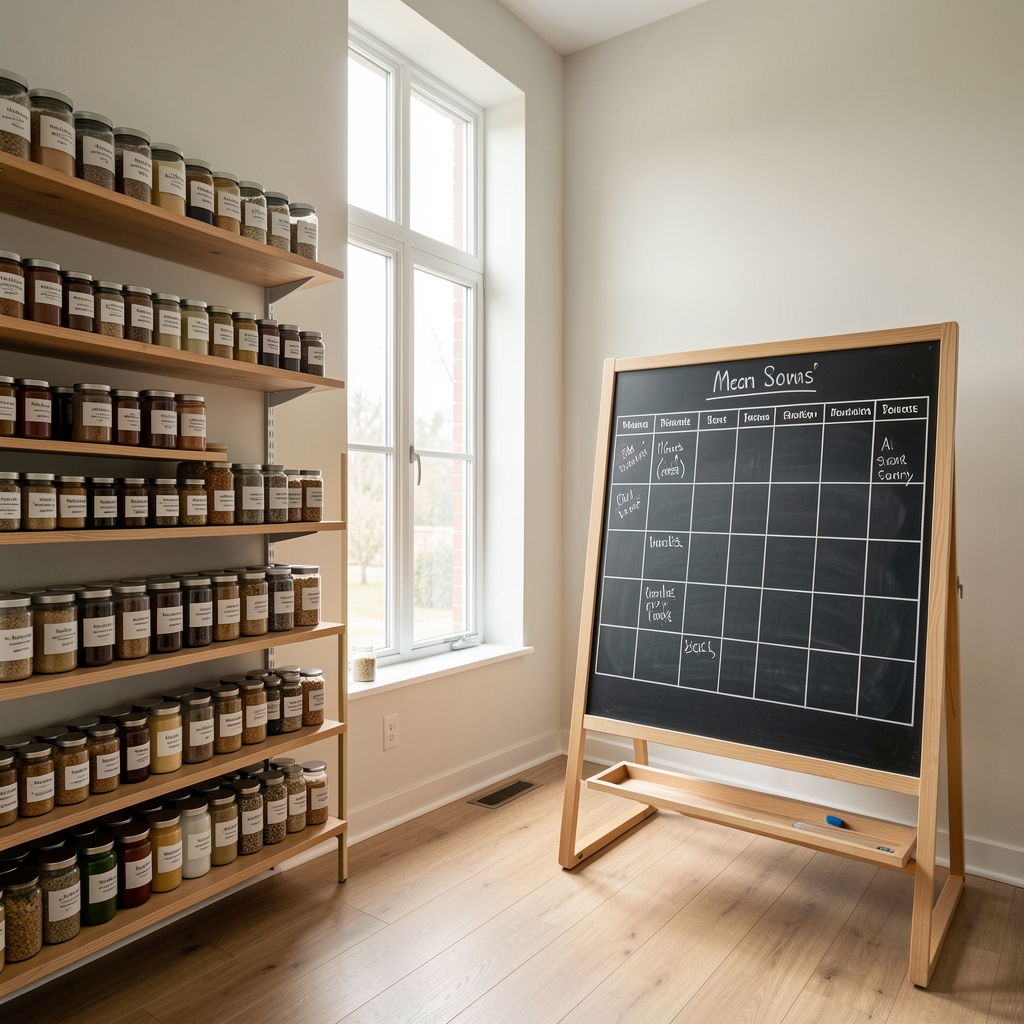


The Aldovi framework is developed and maintained by a qualified nutrition professional with a background in food systems research and practical culinary methodology. The approach is grounded in published nutritional science rather than trending dietary frameworks, with an emphasis on practical implementation within real daily schedules.
Consultation sessions with Aldovi focus on translating the guide's documented frameworks into individual weekly structures — establishing batch-cook systems, building a functional pantry index, and calibrating seasonal ingredient rotations to each professional's specific schedule and household size.
Schedule a SessionThe compositional density of ingredients is prioritised above caloric arithmetic. Whole, minimally processed foods with documented sourcing outperform volume-based approaches within the framework.
The Aldovi seasonal calendar rotates ingredient compositions across twelve months, tracking UK growing seasons and ensuring that the most nutritionally concentrated produce is incorporated when availability and quality are highest.
Individual recipes have limited transferability. Reusable preparation systems — a batch of cooked lentils, a jar of fermented vegetables, a set of roasted root vegetables — generate multiple meal compositions from a single preparation session.
The Aldovi methodology is built on what can be indexed, recorded, and repeated — not on aspirational lifestyle imagery. Each module carries a revision history, preparation time estimate, and ingredient sourcing note that can be verified and updated as supply chains evolve.